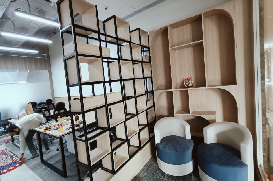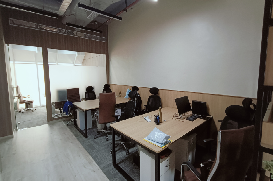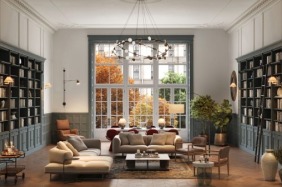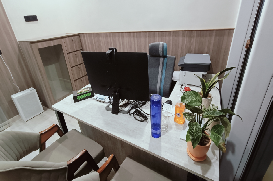

Besides aesthetics, the office space affects how productive employees are, how clients perceive and feel about the company and, thus, the company’s overall efficiency in the long term.
Some companies invest heavily in furniture and accessories for their workplaces, but end up being uncomfortable to work in due to too much unnecessary clutter or obstacles to productivity. A company will save both time and money by avoiding some common design mistakes when designing completely new or renovating existing workspaces.
Many businesses searching for professional Office Interior Design Delhi NCR solutions often focus on aesthetics first. However, practical planning and day-to-day functionality are equally important when creating a productive and efficient workspace.
There are many Office Interior Design mistakes that you can make that can help your Company avoid creating a productive and up-to-date workplace.
Ignoring Space Planning
Undoubtedly, space planning is an integral element in the overall achievement of your goal for designing commercial office interiors. In many working offices, we see the workstation area is “overcrowded” with employees. Still, at the same time, there is “excess unused space” that could have been utilized, which negatively impacts performance and productivity.
A well-designed office layout will also provide the following benefits:
- Facilitation of Movement
- Facilitation of Team Collaboration
- Private Workspace
- Adequate Separation/Distance Between Employees; and
Facilitation of Comfort & Productivity from the point of view of the employee in a Workstation
If an office has been planned well based on function and aesthetics, it may be difficult, if not impossible, for an employee to complete their job duties in that office, regardless of how attractive that office may be from a visual perspective.
A complete analysis of all workflow processes, team meeting needs, and future growth of employees utilizing these facilities must take place before selecting furniture and décor for the business.
In most cases, the significant qualities of a professionally planned workplace will be the primary reasons for success in designing office interiors by providing functional versus aesthetic balance in the workplace.
Choosing Appearance Over Functionality
Modern office spaces are stylish, but they should be designed to serve the function of the office space before style.
For example, many companies select
- Oversized furniture
- Decorative lighting that does not sufficiently illuminate the area for work
- Uncomfortable furnishings
- Trendy layouts that inhibit productivity
Employees should have access to all tools necessary to make their day-to-day jobs easy and should have an office space designed to facilitate this. Employees will spend an inordinate amount of time sitting at desks; functionality is more important than following style trends.
An attractive office that is not designed to be comfortable will have a negative effect on employee satisfaction and productivity overall.
Poor Lighting Design
Fashionable spaces exist within many modern workplaces. However, the functional use of a workspace is more important than the aesthetic appeal of the office space.
Some examples of poor choices made by workplaces include:
- Oversized furniture
- Non-functional decorative lighting
- Uncomfortable chairs
- Trendy office layouts that hinder productivity
Workplaces must provide business and administrative employees with everything needed to complete their daily job duties in a comfortable and functional manner. Daily repeated tasks performed by employees will take place primarily at a desk, making the goal of a functional as opposed to a trendy workspace a higher priority.
A non-functional office space, while aesthetically pleasing, will not only have a negative long-term impact on employee morale, but also will ultimately negatively impact the organization’s production.
Lack of Storage Solutions
When planning an office, often the aspect of storage is overlooked. As businesses grow and expand, clutter can quickly build up. Some examples of what to consider when organizing your office materials include:
- Smart cabinetry
- Discreet storage solutions
- Filing systems
- Multi-function furniture
By having a structure in place for storage/organization, you will have a more efficient and organized working environment, which will lead to increased productivity.
Ignoring Employee Comfort
An office’s design should achieve both employee comfort and alignment with the company’s brand. For example, poorly designed ergonomic interiors can lead to discomfort, cause fatigue in employees, and negatively impact productivity.
Examples of poor interior designs include:
- Low-quality or non-adjustable seating.
- Desks are not at the correct height for the person using them.
- Rooms that are poorly ventilated or have inadequate air circulation.
- Too few breakout areas.
Employees who feel comfortable in their environment tend to be more productive and happy in their workspace. As a result, today’s offices have become more about providing enjoyable experiences for employees and less about creating a corporate “look.”
Weak Reception Area Design
The reception area is usually the first thing that a client or visitor views when they walk into the office of a business. However, a lot of organisations do not consider the reception area as part of their business environment and therefore fail to appreciate how much it matters.
A poorly designed reception space may give:
- A first impression that is not adequate
- An unkempt appearance
- Confusion with regard to how visitors get to the company’s office
The atmosphere and ambience of the reception area should create a sense of welcome and cleanliness, as well as reflect the brand of the business. Furthermore, appropriate seating arrangements should be available for the client to be seated comfortably with appropriate levels of light.
Using Too Many Design Styles Together
Often, a mistake is made in the workplace by mixing multiple design themes in one office space. Trying to combine too many colors, materials and varieties of furniture within the same room without being cohesive will lead to the appearance of visual clutter.
Typically, a well-organized professional office interior will contain:
- A cohesive colour palette
- Coordinated materials
- Balanced textures
- Uniform styling of furniture.
In addition to this, simple and cohesive interiors tend to look modern and professional compared to overly complex interiors.
The same design principles also apply to commercial retail spaces. Businesses investing in Retail Shop Interior Design Ghaziabad services should focus on creating organized, customer-friendly layouts instead of overcrowded interiors that negatively affect shopping experiences.
Neglecting Acoustic Planning
Noise can be an issue in some offices, particularly open-plan offices without acoustical treatments. Having poor acoustics can create noise levels in the workplace that are distracting and may make workers more stressed.
Examples of common acoustic problems found in the modern office include:
- Echo-heavy meeting rooms
- Loud collaboration areas
- Lack of privacy
- Insufficient barriers to block sound
Partitions, acoustic panels, roof systems, and other architectural and layout solutions will help reduce unwanted noise and improve the comfort of the workplace for those working in these areas.
As more and more projects for modern office interior design in Delhi offer increased attention on acoustical comfort, increasing attention is being paid to how acoustical comfort has a direct impact on employee productivity and communication.
Acoustic comfort is equally important in hospitality spaces. Businesses planning Restaurant Interior Design Faridabad projects should carefully balance ambience, seating layouts, lighting, and noise control to create a comfortable dining experience for customers.
Not Planning for Future Growth
Most offices do not have adequate planning for expansion beyond their current needs. As an organisation expands, an office that was not sized correctly can become overcrowded quickly and unsustainable/grain. This is true of an office with flexible interiors that provide:
- Ability to easily expand workers’ stations
- Ability to reconfigure layout
- Ability to create multi-use spaces
- Ability to create scalable storage solutions
Planning for a future office will keep businesses from paying for renovations as well as the associated costs.
Final Thoughts
Office interior design is not only about creating visually attractive spaces. A successful workspace should improve productivity, support employee comfort, strengthen brand image, and allow efficient day-to-day operations.
Avoiding common mistakes such as poor space planning, weak lighting, uncomfortable furniture, and inconsistent layouts can make a significant difference in overall workplace performance.
Businesses looking for reliable Office Interior Design Delhi NCR solutions should focus on balanced interiors that combine practicality, comfort, and modern aesthetics. Thoughtful office design not only creates a better working environment but also leaves a stronger impression on employees, clients, and visitors alike.