

Opening a hotel involves hundreds of decisions. Location, staffing, branding, vendor selection, pricing strategy and everything demands attention at the same time. Somewhere between all these moving parts, interior planning often becomes a rushed process.This is why businesses investing in hotel interior design Delhi NCR projects have started focusing more on planning spaces around guest experience and operations rather than only appearance.
The challenge is that hotel interiors affect almost everything guests experience. People notice how easy check-in feels, whether corridors feel welcoming, if rooms feel comfortable, and even how smoothly they move through the property. These details quietly influence reviews, repeat bookings, and guest satisfaction.
Here are some mistakes hotel owners commonly make while planning interiors.
Poor Guest Flow Creates Frustration Very Quickly
Guests begin forming opinions within minutes of entering a property.
If reception areas feel crowded, elevators are difficult to locate, corridors feel confusing, or luggage movement becomes inconvenient, the experience starts feeling stressful before guests even reach their rooms. Poor guest flow usually happens when spaces are planned room by room instead of looking at the property as one connected experience.
A few questions help during planning:
- Can guests easily find reception after entering?
- Is movement between the lobbye, elevators, and rooms smooth?
- Do guests carrying luggage have enough space?
- Are waiting areas blocking movement routes?
Hotels work better when movement feels natural rather than forced. Good interior planning focuses heavily on how people move, not only how spaces look.
Overdesigned Lobbies Sometimes Create Practical Problems
Many hotel owners invest heavily in lobby aesthetics because it is the first visible area guests notice. The problem starts when design becomes more important than usability.
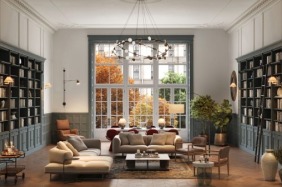
Large décor installations, oversized furniture, decorative partitions, or excessive styling can reduce functionality surprisingly fast. Guests need places to sit comfortably, staff need clear movement paths, and check-in counters need easy accessibility. This becomes especially relevant in projects focused on lobby interior design Gurgaon, where many properties aim for premium-looking spaces while also handling higher guest volumes.
A lobby should create a positive first impression without making the space difficult to use. Simple layouts often perform better than heavily designed ones.
Weak Storage Planning Affects Daily Operations
Storage rarely receives attention during early design discussions. Later, hotels start facing practical issues. Extra linen occupies visible areas. Housekeeping equipment stays parked in guest corridors. Front desk staff struggle with document storage. Restaurant supplies begin spilling into service areas.
These issues slowly affect the guest experience. Hotels require storage planning across multiple functions:
- Housekeeping areas
- Linen storage
- Luggage holding zones
- Staff storage spaces
- Maintenance storage
- Food service requirements
Strong storage planning usually remains invisible to guests, which is exactly the goal.
Lighting Mistakes Change How Guests Feel About Spaces
Lighting influences the atmosphere much more than expensive finishes. Hotels sometimes become too bright because owners worry about visibility. Others become overly dim while trying to create luxury.
- Neither extreme works consistently.
- Reception areas need clarity.
- Rooms need layered lighting.
- Restaurants need warmth.
- Corridors need visibility without feeling harsh.
- Lighting should support how spaces are actually used.
Properties investing in professional Hospitality interior design Ghaziabad projects are increasingly focusing on layered lighting strategies because guests experience hotel spaces differently throughout the day. Morning lighting requirements are different from late evening experiences. Good planning considers both.
Ignoring Hotel Operations During Design Planning
One of the biggest mistakes happens when hotels are planned entirely from a guest perspective while staff requirements get ignored.
- Hotels operate continuously.
- Staff movement affects service speed.
- Housekeeping requires access routes.
- Food service needs efficiency.
- Maintenance teams need working spaces.
When operations are ignored during planning, employees create workarounds later. That usually leads to slower service and operational inefficiencies. Interior planning should support both front-end guest experiences and back-end workflows equally. Hotels that function smoothly behind the scenes usually deliver better guest experiences naturally.
Copying Trends Without Considering Property Type
A boutique property functions differently from a business hotel. A luxury hotel operates differently from a budget stay. Still, many projects copy designs from social media or hospitality websites without considering customer expectations. This creates mismatched experiences.
For example, Boutique hotel interior Gurgaon projects often focus on personalised spaces and stronger visual identity because guests expect unique experiences.
Business hotels may prioritise efficiency and comfort more heavily. The design should fit the property, not simply follow trends.
Final Thoughts
Hotel interiors continue working long after construction finishes. Guests interact with layouts, lighting, furniture, storage systems, and movement paths every single day. When planning decisions are rushed, operational issues usually appear very quickly.
Businesses investing in hotel interior design Delhi NCR projects are paying closer attention to practical planning because guest expectations have changed significantly. Whether the requirement involves premium lobby interior design Gurgaon concepts or operationally focused hospitality interior design Ghaziabad projects, the strongest hospitality spaces usually balance appearance with everyday functionality.