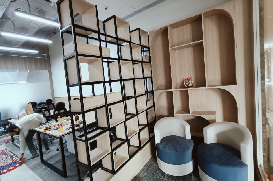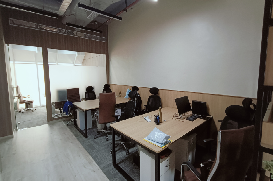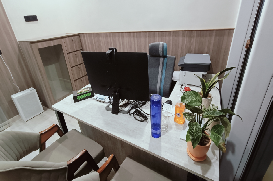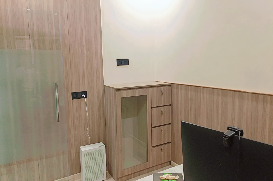

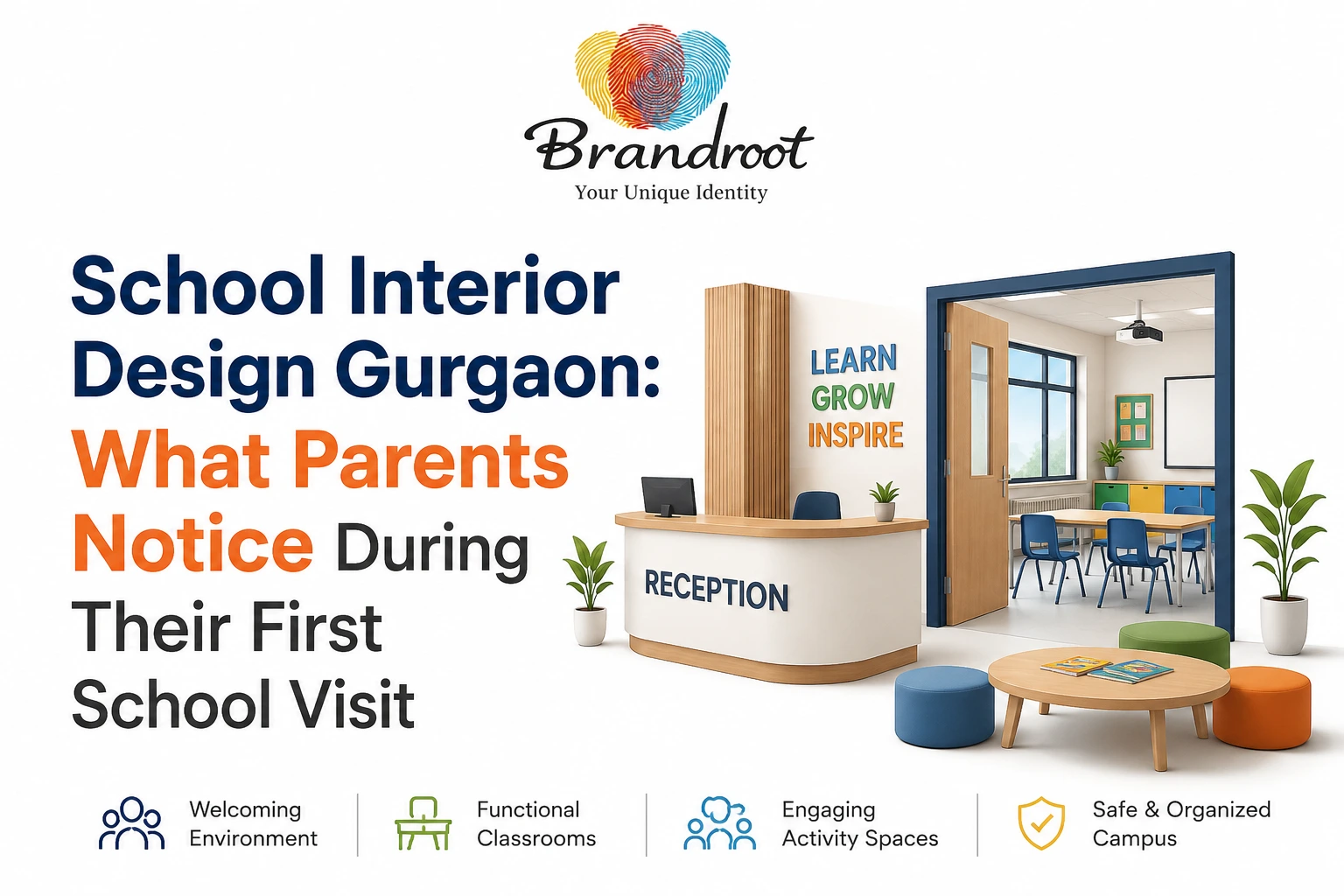
A school visit rarely lasts more than an hour. Yet, by the time parents leave the campus, they have already formed an opinion. It is not based on a single classroom or a colourful wall display. Instead, it comes from dozens of small observations made while walking through the school. They notice how the reception welcomes visitors. They observe whether classrooms feel organised. They pay attention to how students move through the corridors and whether common areas look comfortable and well planned. This is why School Interior Design Gurgaon projects begin long before furniture, colours or finishes are discussed.
The strongest learning environments are built around thoughtful planning because every space inside a school influences how parents, students and teachers experience it.
The Reception Sets the Tone
The reception is usually the first space parents see.
It is where they ask questions, complete admission formalities and often spend a few minutes waiting. If the area feels crowded or confusing, it creates uncertainty before they have even seen the rest of the campus.
A well-planned reception does not have to feel luxurious. It simply needs to feel organised, welcoming and easy to navigate. Clear visitor movement, comfortable seating and a layout that allows the administrative team to work efficiently all contribute to a positive first impression.When concept planning happens at the beginning of a project, these practical details become part of the design rather than an afterthought.
Classrooms Tell Parents How Learning Happens
Parents naturally spend the most time observing classrooms. They look beyond the furniture. They notice whether students have enough space to move, whether natural light reaches the room and whether the environment feels comfortable for long hours of learning.
Large classrooms are not automatically better. A thoughtfully planned classroom often feels more effective because every element supports learning. Storage is easy to access.
Teachers can move comfortably between students. Technology integrates naturally into the space without making the room feel cluttered. These details quietly communicate that the school has planned for everyday learning rather than simply creating attractive interiors.
Activity Areas Often Leave the Strongest Impression
Ask parents what they remember after visiting a school, and many will mention more than just the classrooms. They remember the library that felt inviting, the activity room where students were engaged, or the open space where children were confidently interacting with one another.
These areas show what life at the school looks like beyond academics. When activity spaces are treated as an afterthought, they often become rooms that are rarely used. Furniture is pushed against the walls, equipment lacks proper storage, and the area slowly loses its purpose.
Thoughtful concept planning changes that. Instead of asking, “What should this room look like?” the better question is, “How will students actually use this space every day?”
That simple shift creates activity areas that remain useful throughout the school year rather than becoming underutilised corners of the campus.
Cleanliness Begins With Good Design
Every school wants to maintain a clean and organised environment. What many people don’t realise is that cleanliness becomes much easier when the space has been planned properly.
Storage for teaching materials, designated areas for student belongings, easy-to-maintain finishes and organised utility spaces all contribute to a campus that stays tidy during a busy school day. Parents may not consciously notice these planning decisions, but they certainly notice the result.
A well-maintained school gives families confidence that the same attention to detail extends into teaching, student care and day-to-day management. Good design quietly supports daily operations without drawing attention to itself.
How Brandroot Interiors Helps Schools Plan Better Learning Environments?
Every school has its own vision. Some focus on collaborative learning. Others prioritise technology, sports or creative development. Trying to apply the same layout to every campus rarely delivers the best results. That is why Brandroot Interiors begins with concept creation rather than design execution.
The team works to understand how the school functions, how teachers deliver lessons, how students interact with different spaces and what parents expect during their campus visit. Only after these discussions does the design process begin.
This approach helps identify potential challenges before construction starts, reducing the need for costly changes later while creating spaces that continue supporting the school’s goals as it grows.
Conclusion
A parent’s first visit is about much more than attractive classrooms or colourful walls. They are quietly evaluating whether the school feels organised, welcoming and capable of supporting their child’s learning journey.
That is why investing in School Interior Design Gurgaon starts with thoughtful concept creation rather than decorative finishes. From planning reception areas and classrooms to improving campus flow and activity spaces, every decision shapes the overall experience for students, parents and teachers.
At Brandroot Interiors, every project begins by understanding how a school will function in everyday life. That planning-first approach helps create educational spaces that are practical, welcoming and built to support learning for years to come.