
Luxury home interiors in Delhi NCR are moving towards personalized layouts, understated finishes, intelligent storage and spaces designed for everyday living. For homeowners planning a new apartment, villa or complete renovation in 2026, the smartest investment is not necessarily expensive furniture or elaborate decoration. It is a well-planned home where every element serves a purpose.
Whether you own a 3BHK apartment in Noida, a villa in Gurugram or an independent house in Delhi, thoughtful residential interior design can improve comfort, functionality and visual appeal.
This guide explores practical luxury interior design ideas, modern residential trends and important decisions to consider before beginning your project.
Key Takeaways for Homeowners
- Quiet luxury: Choose refined materials, balanced proportions and restrained decoration.
- Personalized interiors: Design spaces around family routines rather than showroom trends.
- Multifunctional layouts: Accommodate work, relaxation, entertaining and storage.
- Layered lighting: Combine ambient, task and accent lighting for greater flexibility.
- Turnkey planning: Coordinate design, material selection and execution through a structured process.
1. Quiet Luxury Is Reshaping Residential Interior Design in Delhi NCR
Luxury interiors do not need oversized chandeliers, extensive marble surfaces or heavily decorated ceilings.
One design direction worth considering in 2026 is quiet luxury. This approach emphasizes craftsmanship, proportion, texture and visual balance.
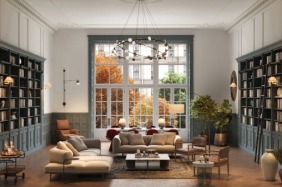
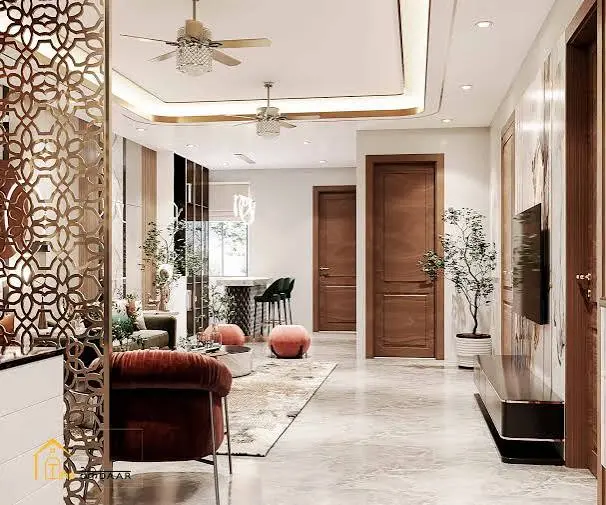
A modern living room, for example, may combine warm neutral walls, natural wood finishes, textured upholstery and carefully positioned lighting.
Instead of multiple decorative features competing for attention, one architectural element becomes the focal point.
How to create a quiet luxury look
- Use warm whites, beige, taupe and muted earth tones.
- Introduce natural textures through wood, stone or appropriate alternatives.
- Select furniture with clean proportions.
- Avoid excessive decorative wall treatments.
- Invest in durable hardware and quality finishing.
For homeowners planning residential interior design in Delhi NCR, these decisions can create sophisticated spaces without relying on short-lived trends.
2. Modern Residential Spaces Need Flexible Layouts
The way people use their homes continues to evolve.
A dining table may occasionally become a workspace. A guest bedroom might serve as a study. Living rooms may need to accommodate everyday family activities and larger gatherings.
This makes flexible space planning especially relevant.
Consider a 3BHK apartment where one bedroom is rarely occupied. Instead of furnishing it exclusively for guests, homeowners could incorporate a foldaway work desk, concealed storage and adaptable seating.
The room remains welcoming while serving multiple purposes.
Practical planning priorities
| Space | Modern design consideration |
| Living room | Comfortable circulation and adaptable seating |
| Kitchen | Efficient work zones and accessible storage |
| Master bedroom | Integrated wardrobes and layered lighting |
| Children’s room | Flexible furniture and organized storage |
| Balcony | Weather-appropriate materials and usable seating |
| Study | Ergonomic furniture and suitable task lighting |
An experienced residential designer should evaluate these requirements before finalizing furniture or decorative finishes.
Explore Brandroot Interiors’ residential interior design services to understand its approach to personalized residential spaces.
3. Luxury Home Interiors in Delhi NCR Need Climate-Conscious Planning
Delhi NCR presents practical design considerations that cannot be ignored.
Seasonal temperature variations, strong summer sunlight, dust and monsoon humidity can influence material performance and maintenance requirements.
For example, a west-facing living room with extensive glazing may require appropriate shading and heat-management measures.
Similarly, finishes selected for kitchens and bathrooms should suit their exposure to moisture, cleaning and frequent use.
Design decisions worth discussing
Window treatments: Consider solar exposure, privacy and natural light.
Surface materials: Evaluate durability, cleaning requirements and suitability for each room.
Ventilation: Coordinate the interior layout with the home’s ventilation and mechanical systems.
Lighting: Combine natural daylight with adjustable artificial lighting.
Furniture placement: Keep frequently used circulation routes comfortable and unobstructed.
These details may receive less attention than colour palettes, yet they can significantly affect long-term usability.
4. Material Selection Matters More Than Decorative Quantity
A luxury home should feel coherent rather than crowded.
Instead of combining several premium finishes in one room, homeowners can establish a clear material palette and repeat selected elements throughout the property.
For example, warm timber tones in the living room can complement coordinated cabinetry in the bedrooms.
Stone-effect surfaces may provide a consistent visual language without requiring identical materials everywhere.
However, material decisions should account for more than appearance.
Ask these questions before approval:
- Is the material suitable for the intended application?
- What cleaning and maintenance does it require?
- How will its finish respond to regular use?
- Is repair or replacement practical?
- Does it fit the approved budget?
For cohesive interiors, material selection should begin during the concept development stage.
Brandroot Interiors provides concept creation services that emphasize design direction, collaboration and practical feasibility.
5. Turnkey Home Design Can Simplify Complex Renovations
A home renovation usually involves multiple decisions and specialized activities.
Space planning, carpentry, electrical work, surface finishes, furniture selection and site coordination must follow an appropriate sequence.
This is where turnkey home design can become valuable.
Instead of separately coordinating every contractor, a homeowner can work with a design and execution team responsible for an agreed project scope.
The exact responsibilities should always be documented before work begins.
A typical home interior project workflow
| Stage | Key activity |
| Consultation | Lifestyle, budget and requirements |
| Space planning | Furniture layouts and movement |
| Design development | Materials, colours and lighting |
| Documentation | Drawings, specifications and approvals |
| Execution | Site work and installation |
| Handover | Inspections and agreed corrections |
A detailed scope, payment schedule and change-approval process can reduce misunderstandings.
Importantly, turnkey execution does not automatically guarantee a fixed price or completion date. Those conditions depend on the contract and project requirements.
6. Personalization Is More Valuable Than Copying a Trending Interior
A luxury residence should reflect the people who live there.
For some families, a spacious dining area may be essential. Others may prioritize a home office, accessible bedroom layout or additional kitchen storage.
Homes with young children often require different planning decisions from residences occupied by elderly family members.
A successful design balances these practical needs with a consistent visual identity.
Before selecting a design concept, consider how frequently each space is used, what currently feels inconvenient and how family requirements may change over time.
You can also review Brandroot Interiors’ residential design portfolio for examples of its published work.
7. What Should Homeowners Finalize Before Starting Interior Work?
Homeowners can reduce avoidable revisions by making several important decisions early.
- Establish an overall budget and separate contingency.
- Identify essential features versus optional upgrades.
- Finalize major layout decisions before custom furniture production.
- Review physical material samples where possible.
- Confirm electrical points and lighting requirements.
- Agree on drawings, specifications and a realistic project schedule.
- Document how design changes will affect costs and timelines.
This approach supports better communication and a more predictable design process.
Frequently Asked Questions
What is residential interior design?
Residential interior design involves planning and developing functional, comfortable and visually coordinated living spaces. It can include furniture layouts, lighting, storage, material selection and project execution.
What are the popular luxury home interior trends for 2026?
Notable design directions include quiet luxury, natural textures, warm neutral palettes, integrated storage, layered lighting and adaptable living spaces. Their suitability depends on the home and its occupants.
Is turnkey home design suitable for a 3BHK apartment?
Yes. A turnkey arrangement can be suitable for a 3BHK apartment when the homeowner wants coordinated design and execution. The scope, exclusions, costs and responsibilities should be agreed upon in writing.
How much does luxury residential interior design cost in Delhi NCR?
Costs vary according to property size, design complexity, material specifications, customized furniture, renovation requirements and execution scope. An itemized quotation is more useful than a generic per-square-foot estimate.
How long does a complete home interior project take?
The timeline depends on the property’s condition, approved scope, manufacturing requirements, material availability and site restrictions. A project-specific schedule should be prepared after assessing these factors.
What is the difference between modern and luxury interior design?
Modern design generally emphasizes simplicity, functional layouts and restrained forms. Luxury design emphasizes material quality, craftsmanship, refinement and personalization. Both approaches can be combined successfully.
Transform Your Home With Brandroot Interiors & Architects
A thoughtfully designed residence should remain comfortable and functional long after the initial excitement of moving in.
Whether you are planning luxury home interiors, creating modern residential spaces or considering a complete turnkey home transformation, begin with clear priorities and professional design planning.
Brandroot Interiors & Architects provides residential design, interior planning, concept development and project management services.
Planning a new home or renovation in Delhi NCR?
Contact Brandroot Interiors for a design consultation to discuss your property, design preferences and project requirements.
Call: +91 7291906016
Email: info@brandrootinteriors.com