
Ordering custom furniture can sound simple. You explain what you need, someone creates a design, and the furniture arrives at your home. In reality, there are several steps between the first conversation and the final installation. That process matters because custom furniture is made specifically for your space. A few incorrect measurements, a material choice that does not suit the room or a design that looks good but lacks practical storage can create problems later. Understanding how Furniture Design Services Delhi NCR work can help you make better decisions and know what to expect at every stage.
The good news is that the process does not have to be complicated. When the design, measurements, materials and installation are planned properly, custom furniture can be a practical way to make better use of your home.
What Happens When You Order Custom Furniture?
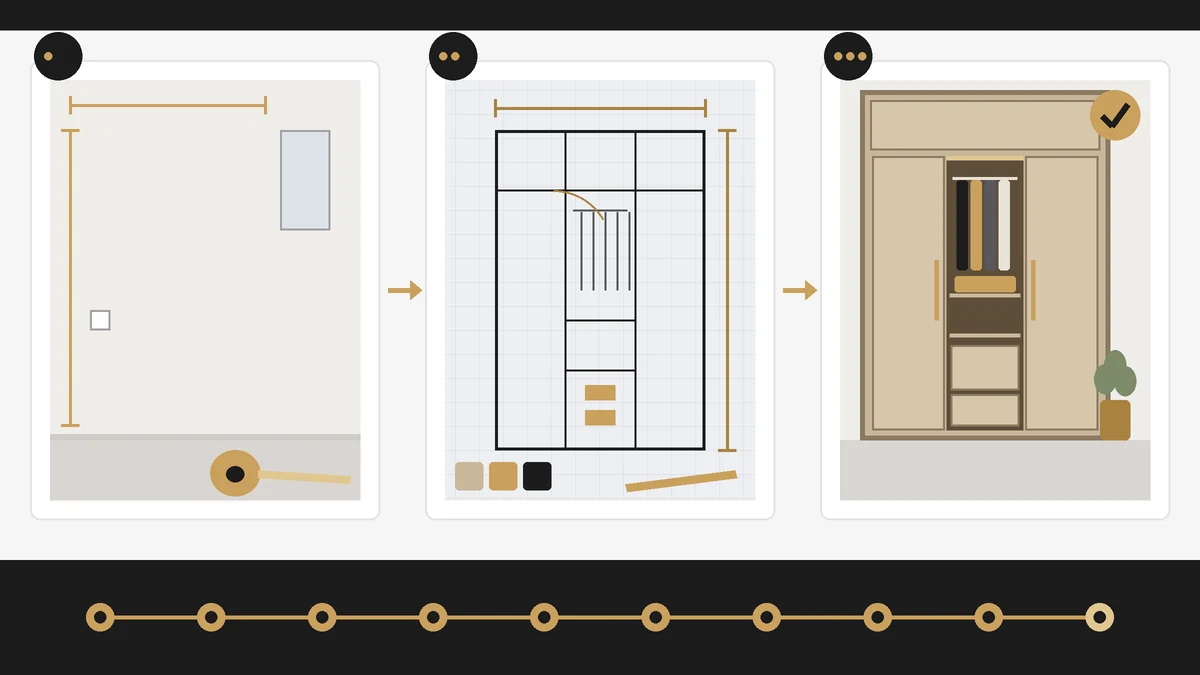
A typical custom furniture project follows a series of steps:
- Requirement discussion
- Site measurement
- Space assessment
- Design development
- Material and finish selection
- Design approval
- Manufacturing
- Quality checking
- Delivery
- Installation
The exact process can vary depending on the furniture and the designer, but these stages cover most residential custom furniture projects.
Let’s look at each one.
Step 1: Start With What You Actually Need
The first conversation should not be only about how the furniture should look. Start with how you plan to use it. For a wardrobe, for example, think about what you need to store. Do you need more hanging space? Drawers? Shelves? A section for shoes? Space for bags or luggage? A locker? Overhead storage?
For a study unit, think about whether you need space for one laptop or multiple screens, books, files and stationery. For a TV unit, consider your television size, gaming equipment, speakers, set-top box, router and storage needs.
These details help the designer create something that works for you rather than simply creating an attractive piece of furniture.
Step 2: Take Accurate Measurements
This is one of the most important stages of custom furniture. A designer should assess the actual space before finalising the dimensions. Measurements may include:
- Wall width
- Floor-to-ceiling height
- Window position
- Door position
- Skirting
- Electrical points
- Switchboards
- Columns
- Beams
- Plumbing points
- Existing furniture
- Available clearance
Even a few centimetres can matter when furniture is being fitted into a specific space. This is particularly important for built-in wardrobes, kitchen storage, TV units and furniture placed between walls.
Step 3: Look at the Space as a Whole
A furniture designer should not look at a cabinet in isolation. The surrounding space matters, which is why custom furniture works best when it is planned as part of a complete residential interior design approach. For example, a large wardrobe may provide excellent storage but leave very little walking space. A deep TV unit may look impressive but make a narrow living room feel smaller.
The designer should consider:
- Movement
- Furniture proportions
- Door openings
- Natural light
- Existing décor
- Storage requirements
- Room dimensions
This is where professional Furniture Design Services Delhi NCR can add value. The objective is not simply to make furniture fit. It is to make the furniture work with the room.
Step 4: Create the Design
Once the requirements and measurements are clear, the design can be developed. Depending on the project, you may see drawings, elevations, layouts or 3D visuals. It also helps to look at completed residential projects to see how designs translate into finished furniture. At this stage, look beyond the colour and overall appearance.
Check:
- Does the storage work for my belongings?
- Are shelves and drawers at comfortable heights?
- Can doors open without hitting other furniture?
- Is there enough clearance to move around?
- Are electrical points accessible?
- Does the furniture leave enough room for cleaning?
These practical questions are just as important as the visual design.
Step 5: Select Materials
Material selection can feel overwhelming because there are many options available. Depending on the furniture, you may come across materials such as:
- Plywood
- MDF
- Particle board
- Veneer
- Laminates
- Acrylic finishes
- Glass
- Solid wood
- Metal
- Different types of hardware
There is no single material that is perfect for every piece of furniture. The right choice depends on where the furniture will be used, the expected level of use, moisture exposure, desired finish and budget.
For example, furniture used in a bedroom may have different requirements from furniture placed in a kitchen or bathroom. Ask your designer to explain why a particular material is being recommended, rather than choosing it simply because it is more expensive.
Step 6: Pay Attention to Hardware
Hardware is easy to overlook because most of it is hidden. But hinges, drawer channels, handles, lift-up mechanisms and other fittings affect how furniture feels in everyday use.
A wardrobe with poor-quality hinges can become frustrating quickly. A drawer with weak channels may not handle regular use well. When discussing Furniture Design Services Delhi NCR, ask what hardware is included in the quotation. You should know:
- Brand or specification, where relevant
- Type of hinges
- Drawer channels
- Handles
- Soft-close features
- Other special mechanisms
The goal is not necessarily to choose the most expensive hardware. It is to choose hardware suitable for the furniture and expected use.
Step 7: Review the Final Design Before Manufacturing
Do not rush this stage. Once the design is approved and manufacturing begins, changes can become more difficult and expensive. Before giving approval, check:
- Overall dimensions
- Internal storage
- Material
- Finish
- Hardware
- Colour
- Handles
- Number of shelves
- Number of drawers
- Electrical access
- Open and closed sections
If something does not make sense, ask about it before manufacturing starts. A good designer should be able to explain the design clearly and make reasonable changes where required.
Step 8: Manufacturing Begins
Once the design and specifications are approved, the furniture can move into production. The manufacturing method depends on the type of furniture. Some pieces are made largely in a workshop and then assembled at the site. Others may require a combination of factory and on-site work.
Custom manufacturing offers more control over dimensions and design, but it also requires coordination. This is why accurate drawings and approved specifications are important. Everyone involved should be working from the same information.
Step 9: Quality Checks Matter
Before the furniture reaches your home, key elements should be checked.
Look for:
- Correct dimensions
- Surface finish
- Edge quality
- Hardware operation
- Alignment
- Door and drawer movement
- Colour consistency
- Damage or scratches
If several custom furniture pieces are being manufactured for the same home, consistency is also important. The finish of wardrobes, cabinets and other pieces should work together visually.
Step 10: Delivery and Installation
Installation is the final major stage, but it should not be treated as a simple delivery. Before furniture reaches the site, check the access route.
- Can large panels or cabinets enter through the main door?
- Is there enough lift access?
- Are there building restrictions on delivery timings?
- Will the furniture need to be carried through stairs?
These practical details can become important in apartment buildings across Delhi NCR. Once the furniture reaches the site, installation should be done carefully. Built-in furniture may need to be levelled and secured properly. Doors and drawers should be checked after installation.
How Long Does Custom Furniture Take?
There is no single timeline for every project.
A small custom study unit will naturally take less time than a complete set of wardrobes, a kitchen or furniture for an entire home. The timeline can depend on:
- Number of furniture pieces
- Design complexity
- Material availability
- Hardware availability
- Manufacturing capacity
- Site conditions
- Installation requirements
- Changes made during the process
If you have a fixed move-in date, tell the designer at the beginning. Do not assume that custom furniture can be completed in the same timeframe as ready-made furniture.
Final Thoughts
Custom furniture is not simply about getting something that looks different from what you see in a showroom. It is about creating furniture that fits your space and works around your lifestyle.
From the first measurement to the final installation, every stage matters. Accurate measurements help avoid fitting problems. Thoughtful design improves functionality. The right materials and hardware affect durability. Proper installation completes the job.
If you are considering Furniture Design Services Delhi NCR, take time to understand the complete process before you begin. Ask questions, review the design carefully and make sure the quotation clearly explains what you are paying for.
When all these details are handled properly, custom furniture can turn difficult corners, unused walls and limited storage areas into useful parts of your home. To start with an accurate site measurement, get in touch with the Brandroot team.